Some things are easier to feel than to explain. For the infrastructure, the economics, and the campaign details — see the investment page →
Named in honor of
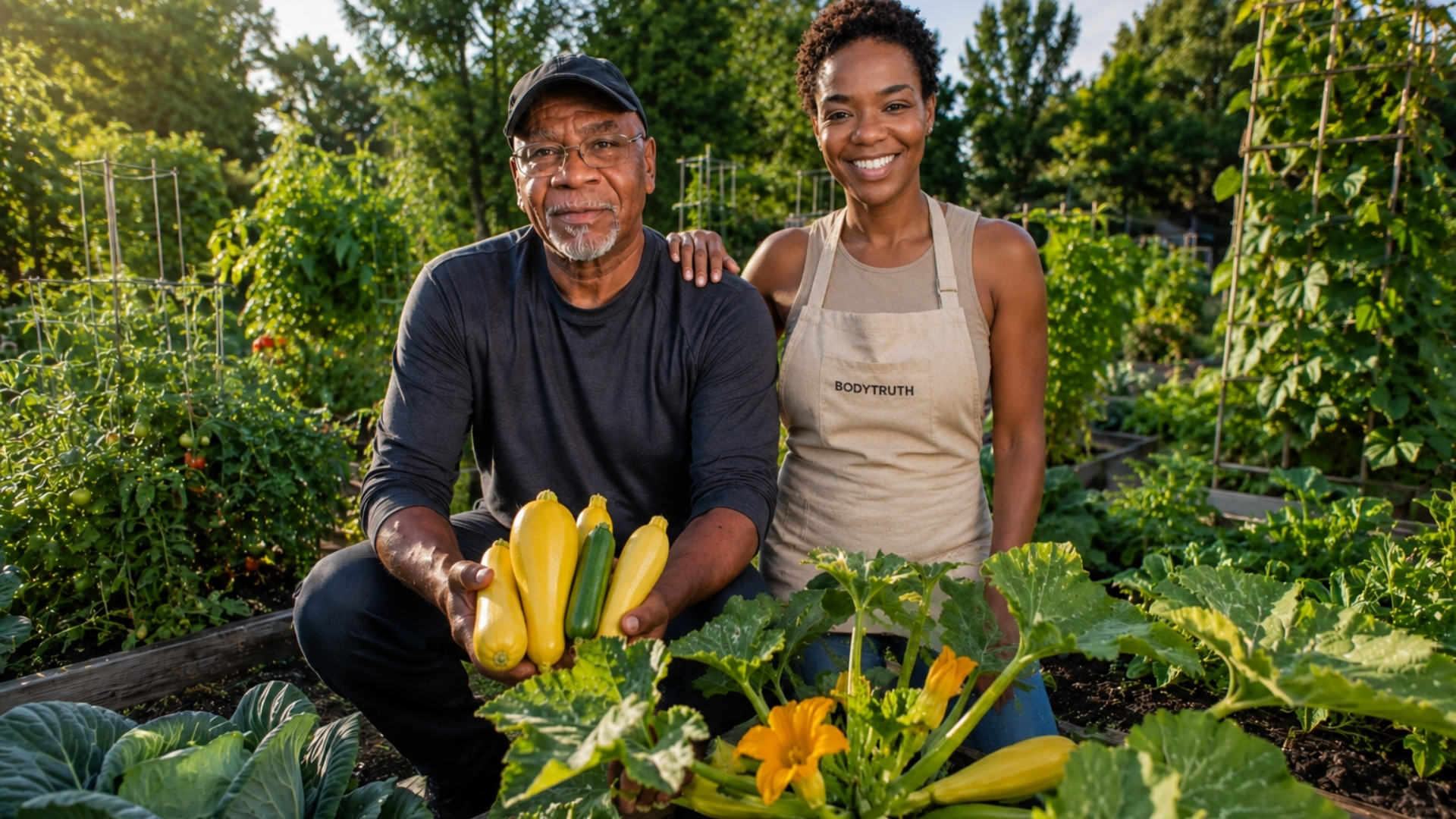
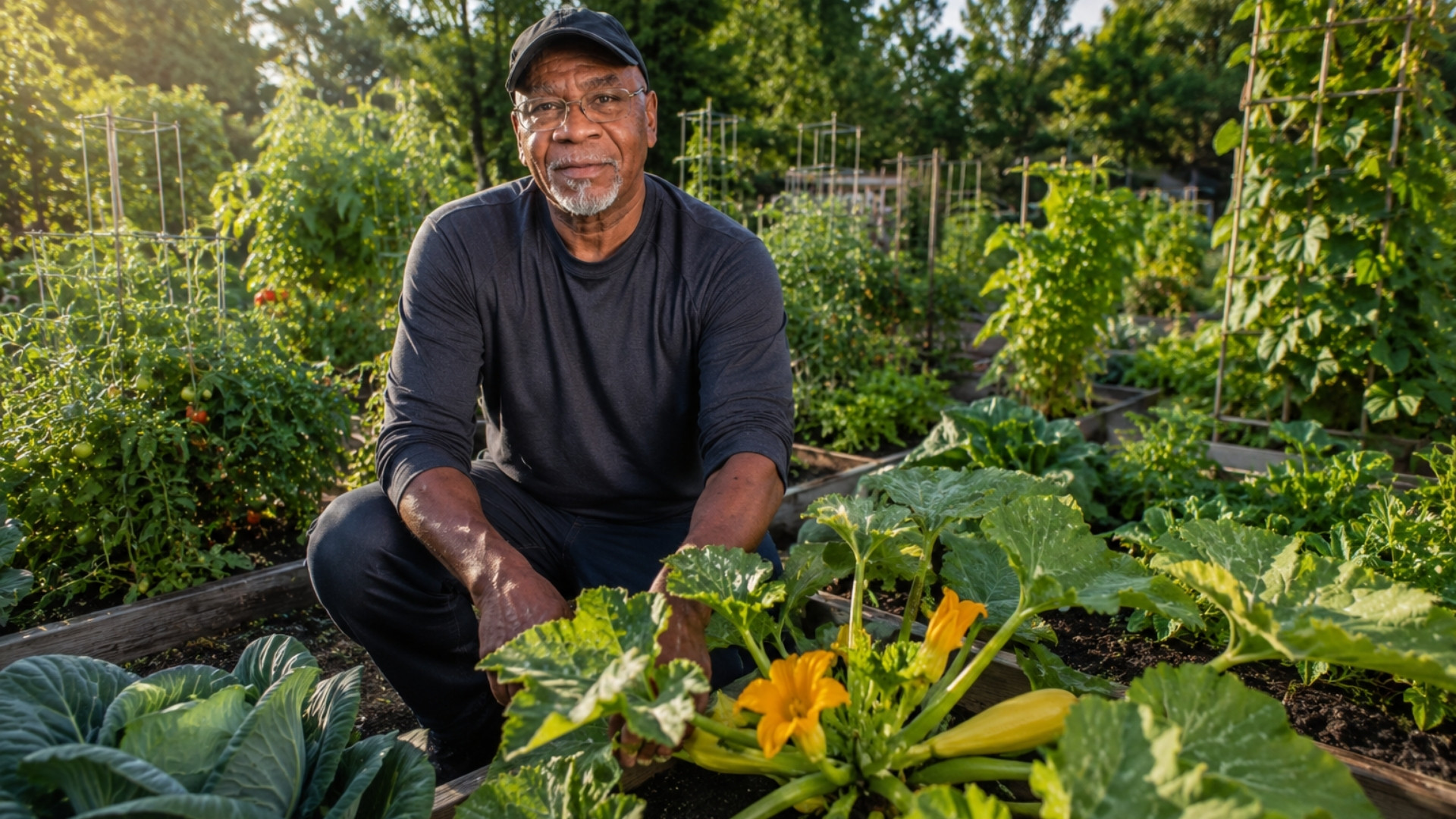
Artie Short — Father, Veteran, Brother, Friend
Bodytruth was built on a simple observation accumulated over seventeen years and across many communities:
People rarely arrive needing only information. They often arrive carrying fear, exhaustion, rejection, grief, isolation, or the weight of experiences that shaped how they see themselves and what they believe is possible for them.
Knowledge alone does not create movement. People need environments where they feel safe enough — seen enough — to act on what they already know.
This is the environment we are building.
The Artie Short Community Learning Center — the ASC — is designed around what people need in order to build, not only what they need in order to learn.
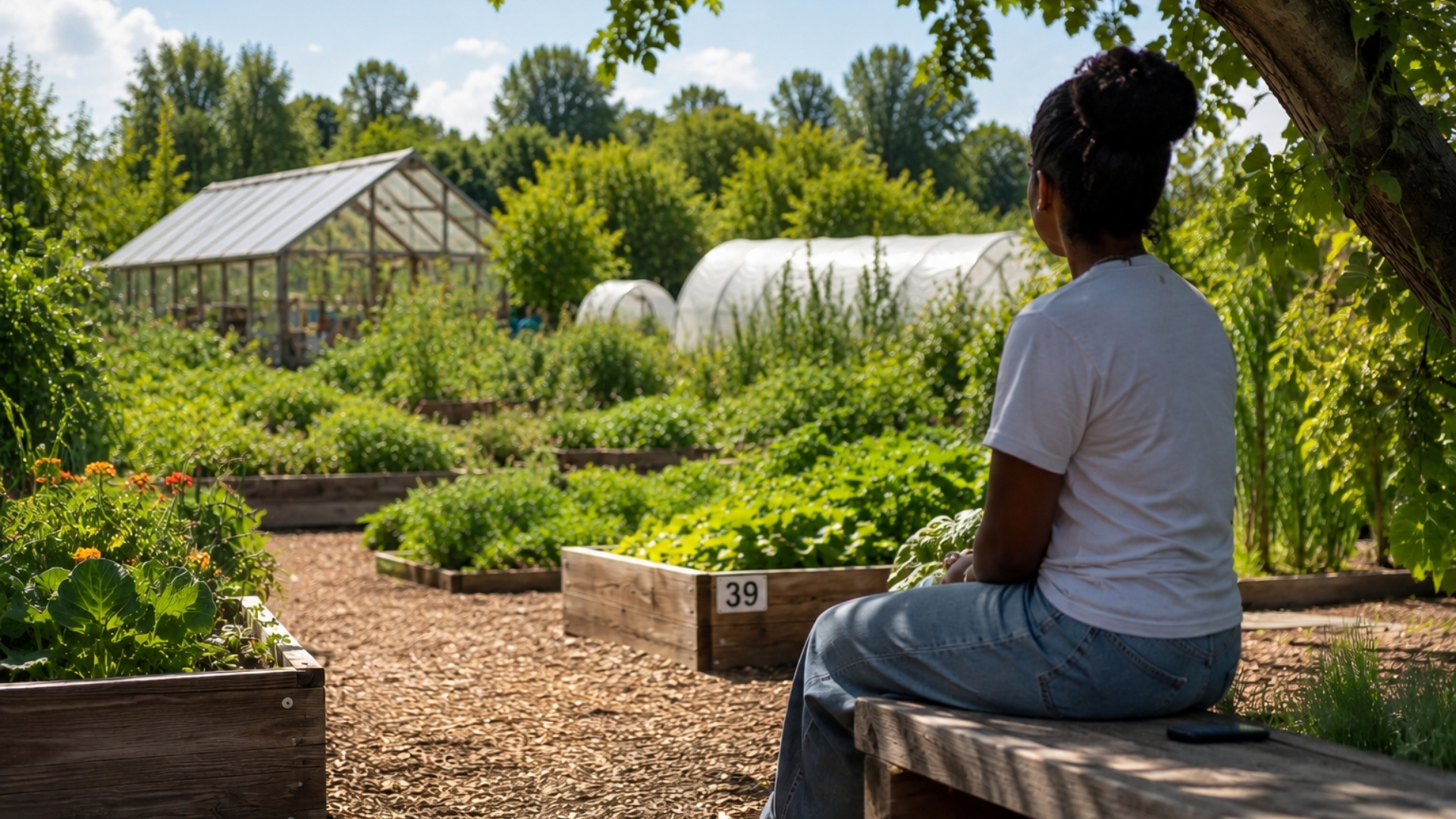
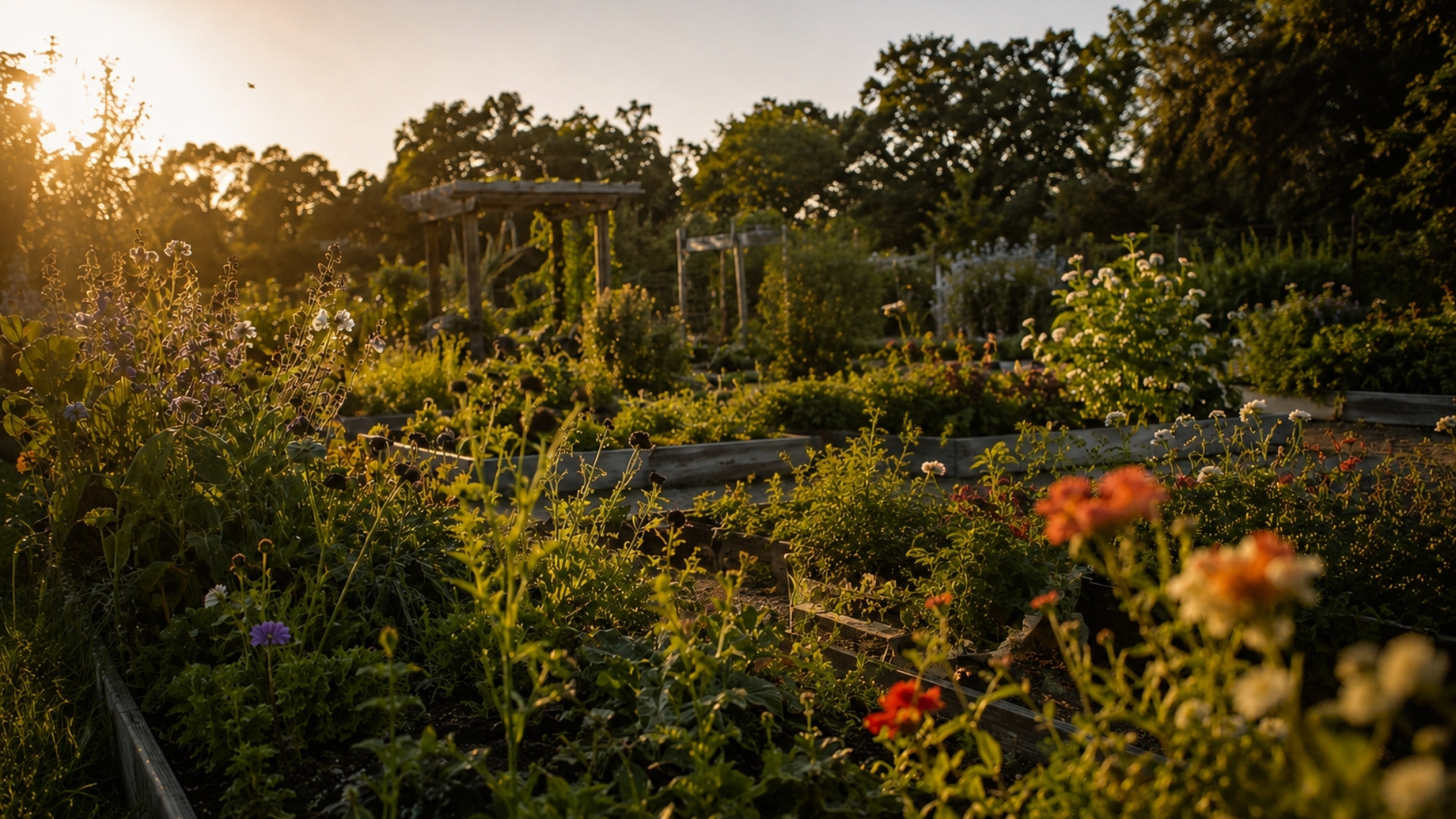
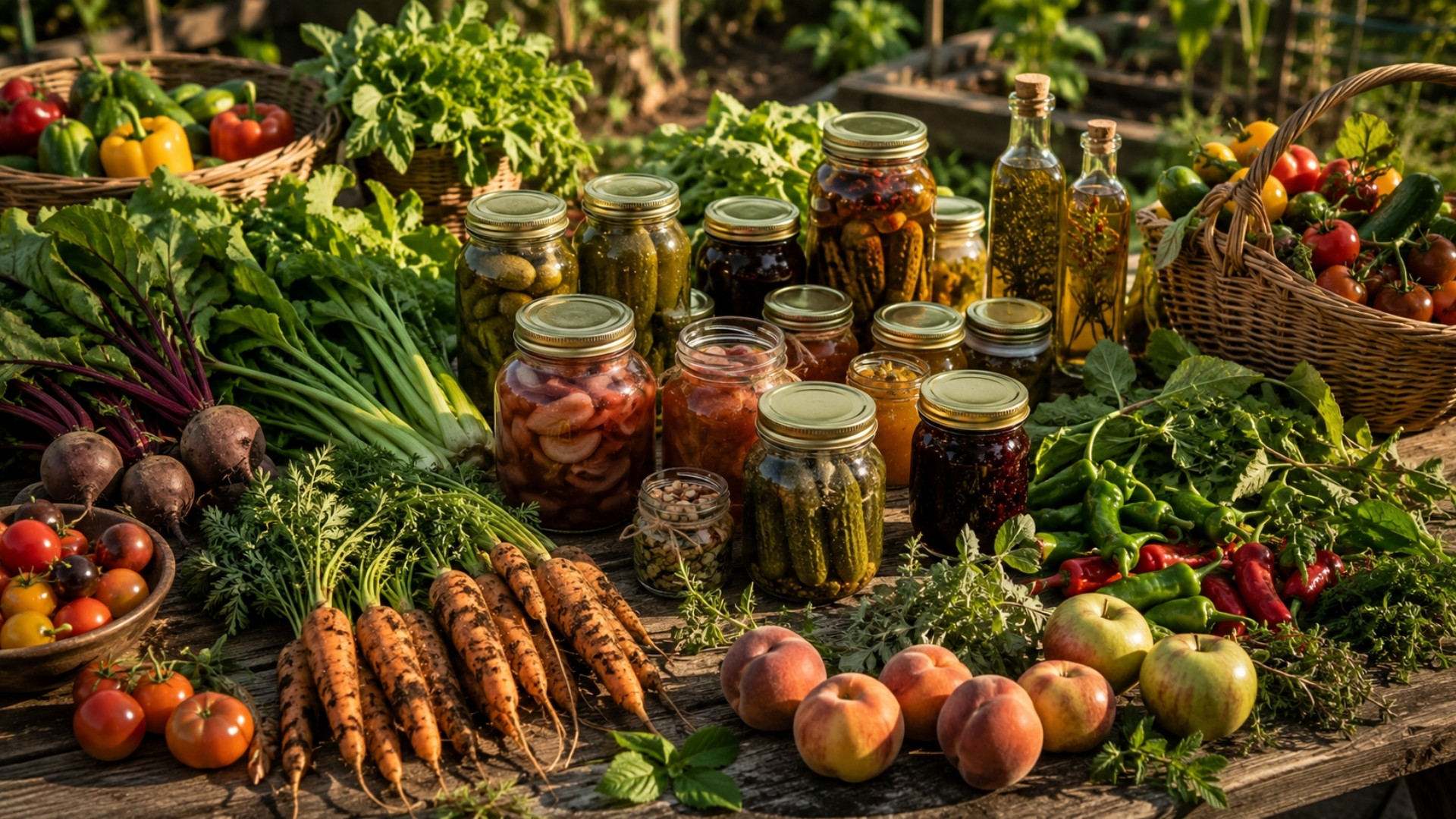
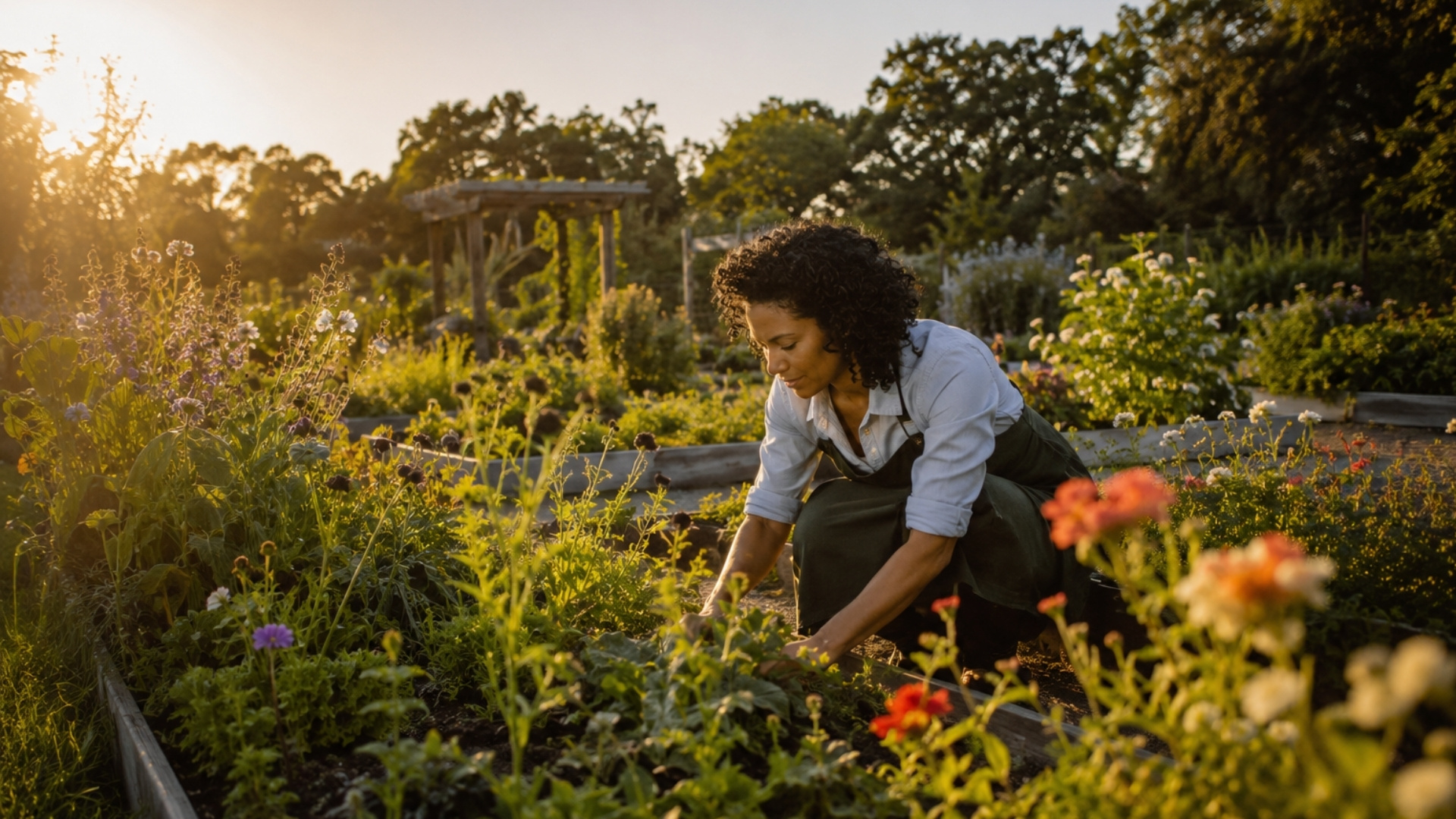
Nervous systems need to settle before they can absorb. The campus is designed to feel alive and grounded — gardens growing, natural light, spaces that feel human — so that people arrive and feel something release before a single lesson begins.
People carry invisible things while trying to build visible things. The environment makes space for that — not by making it the center of the work, but by designing spaces where people do not have to earn safety, prove their worthiness, or navigate everything alone.
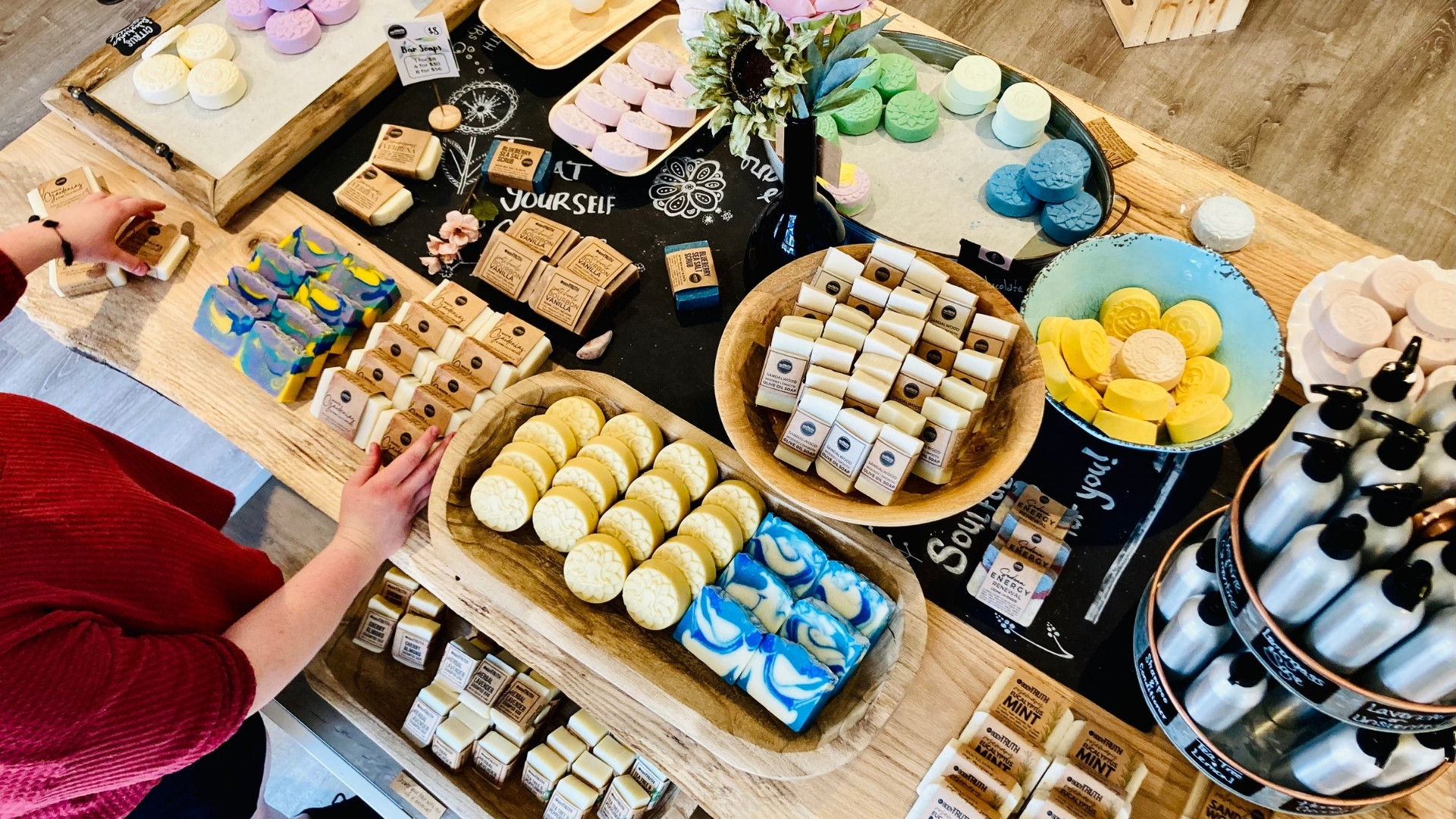
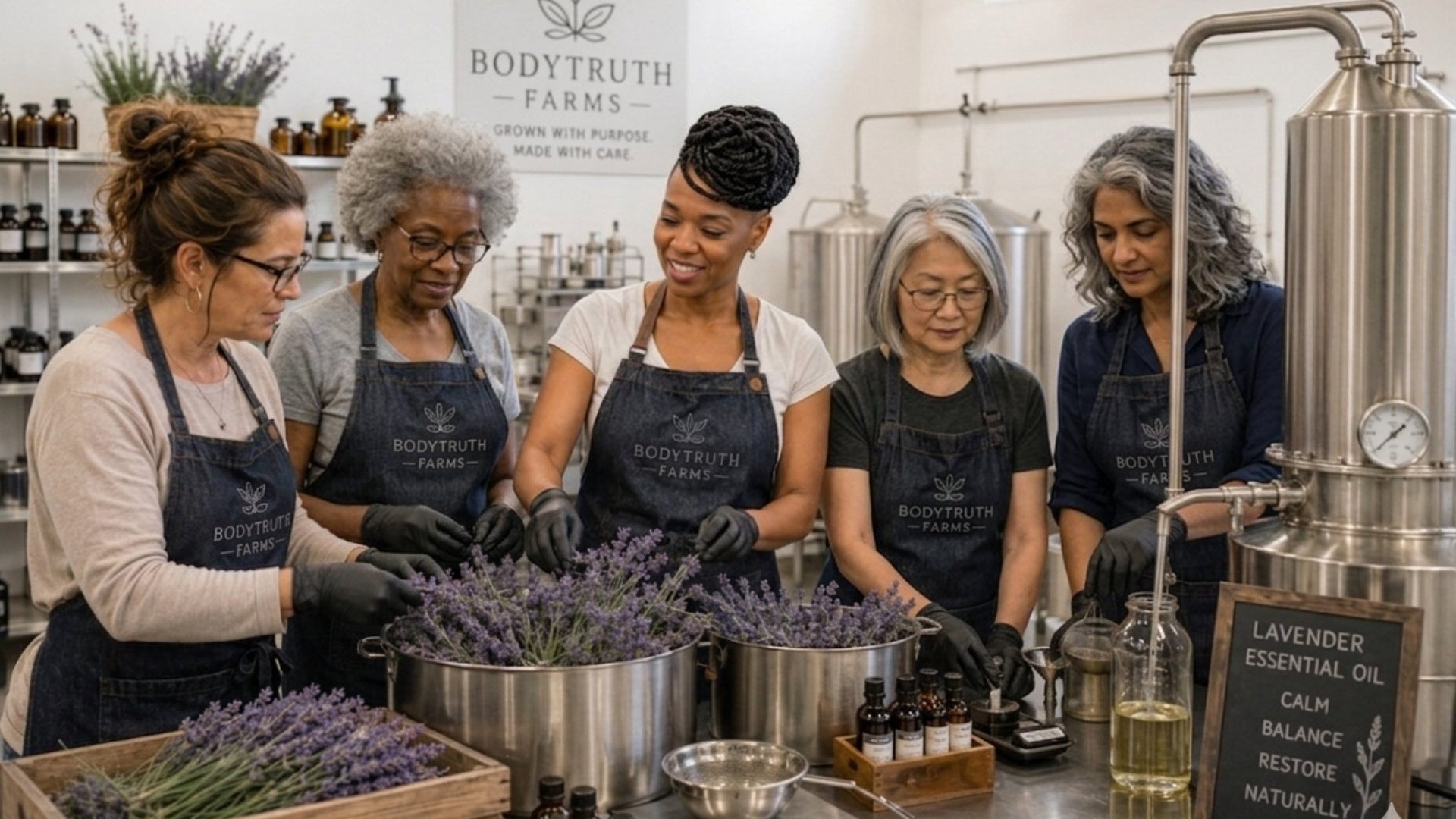
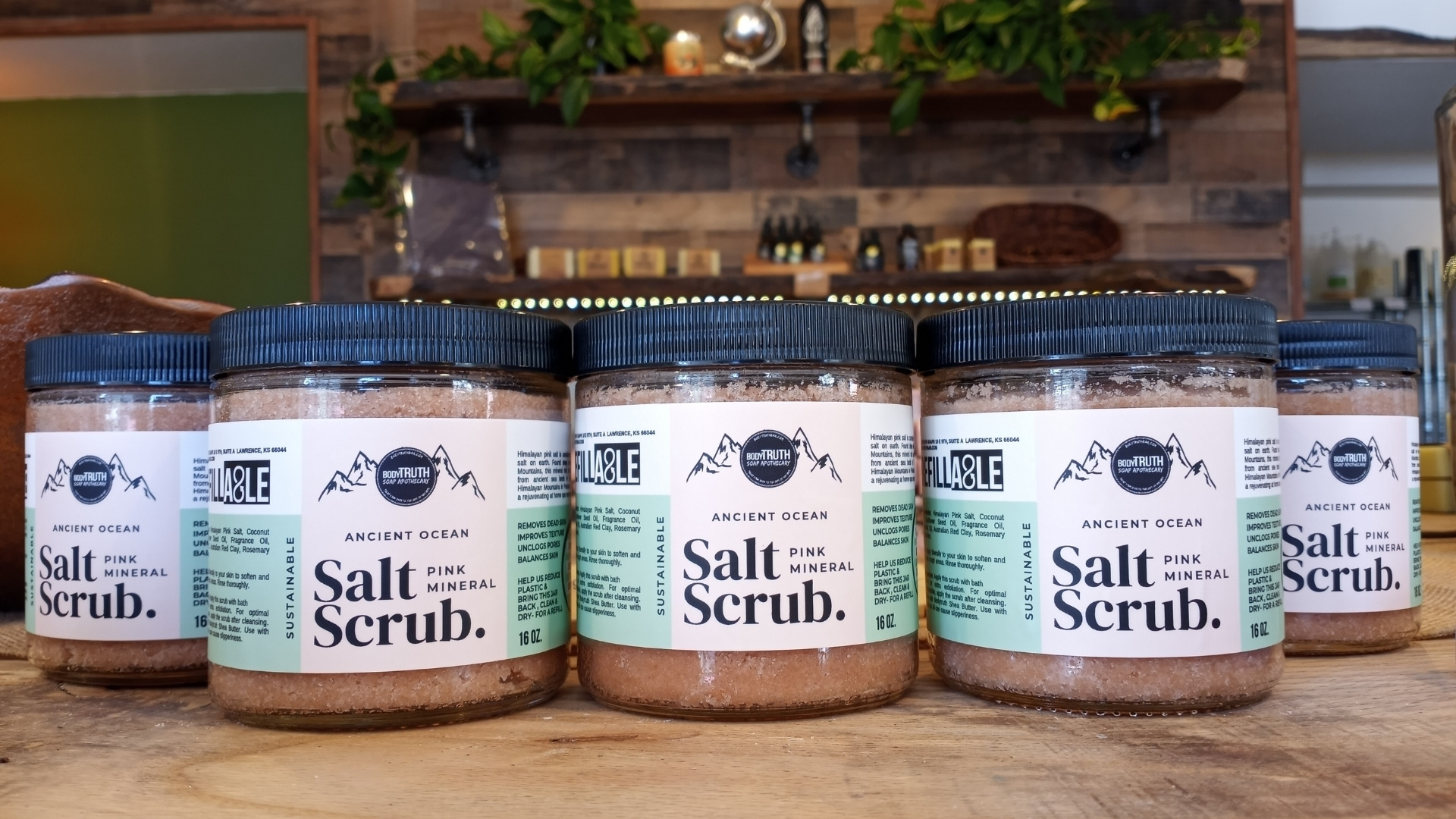
Bodytruth Ventures operates on campus not only to generate revenue but to demonstrate. Participants see a real enterprise functioning — soap curing on shelves, product decisions being made, operations in motion. The gap between concept and implementation becomes something they can observe rather than only imagine.
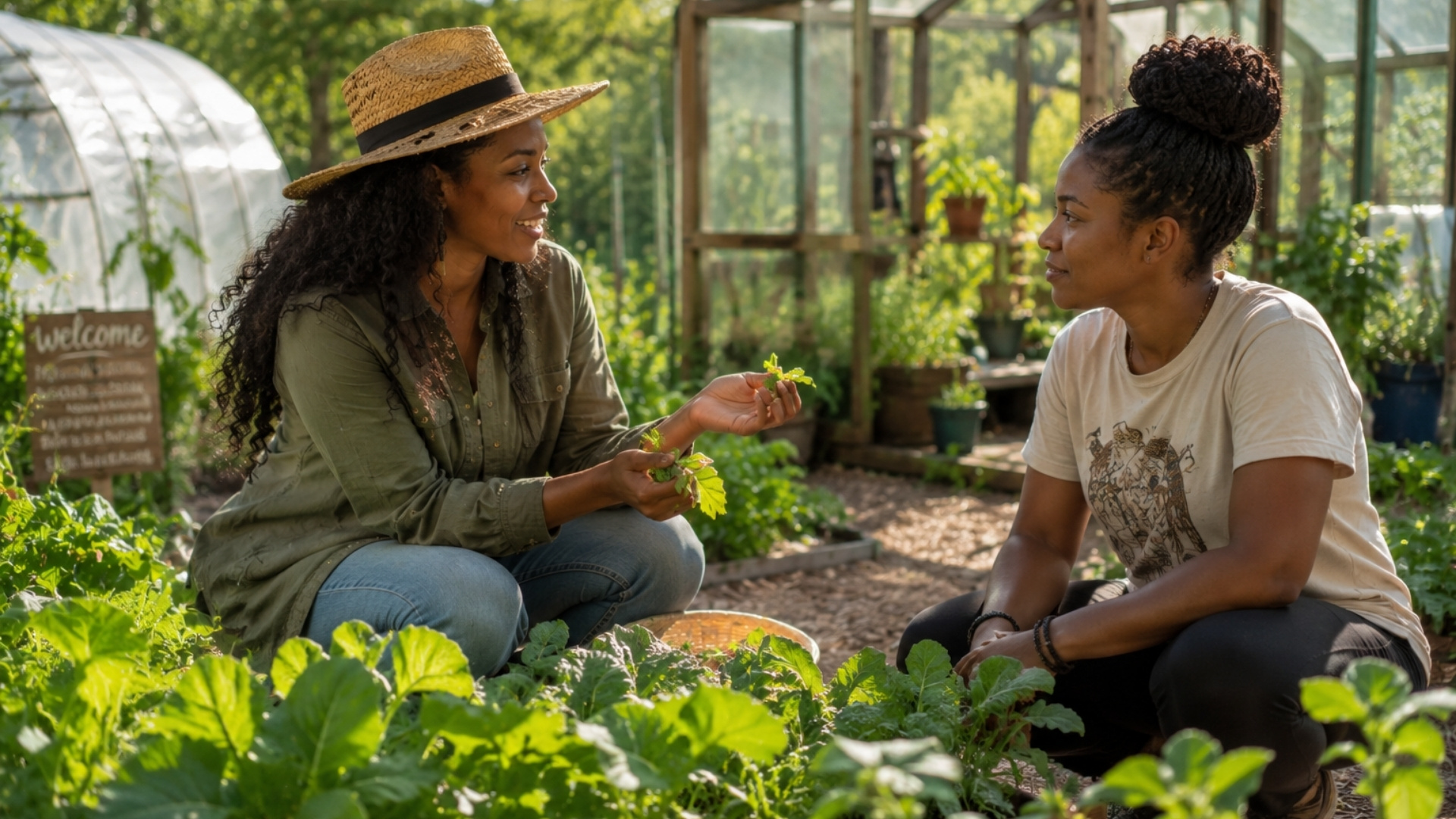
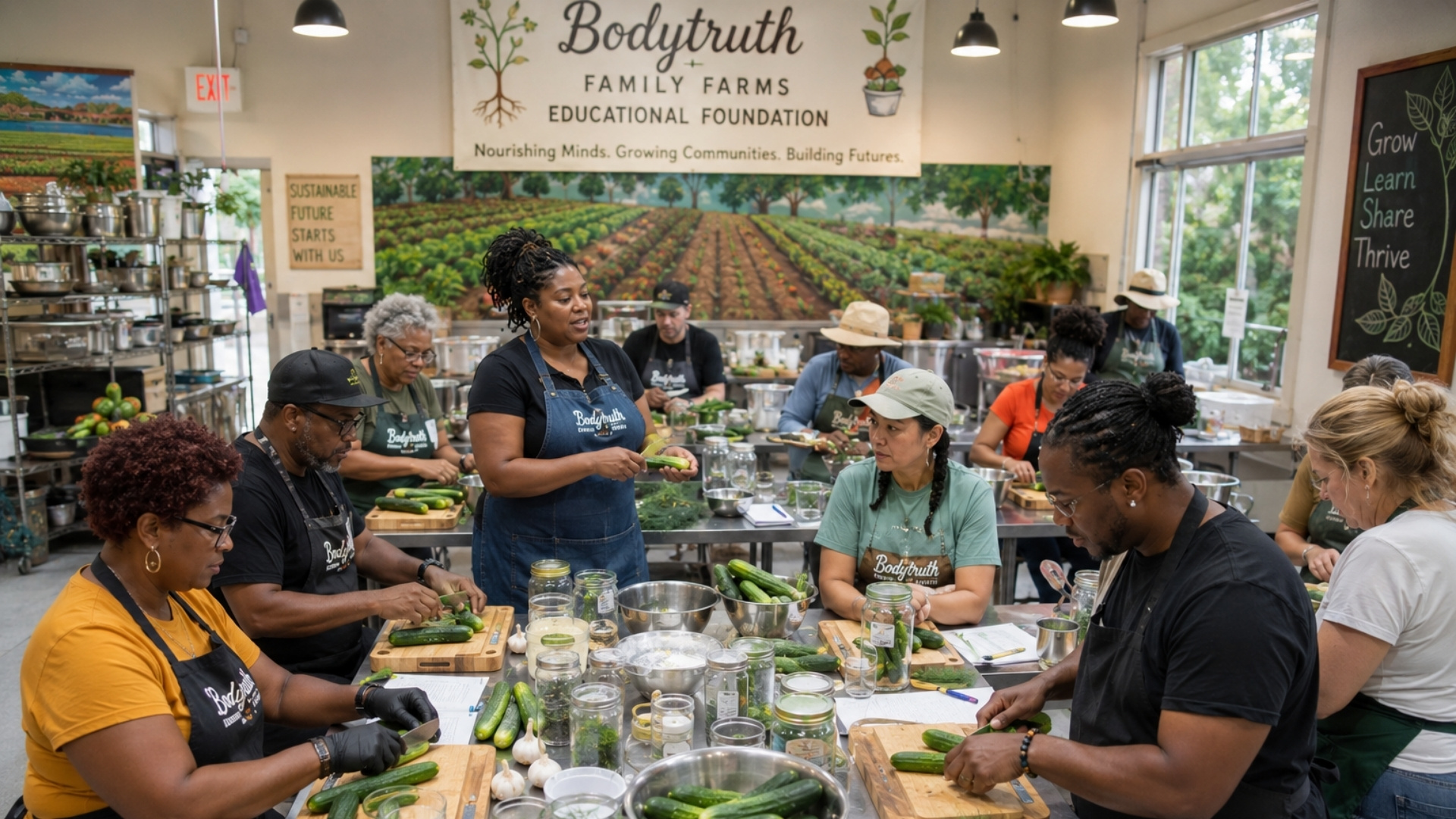
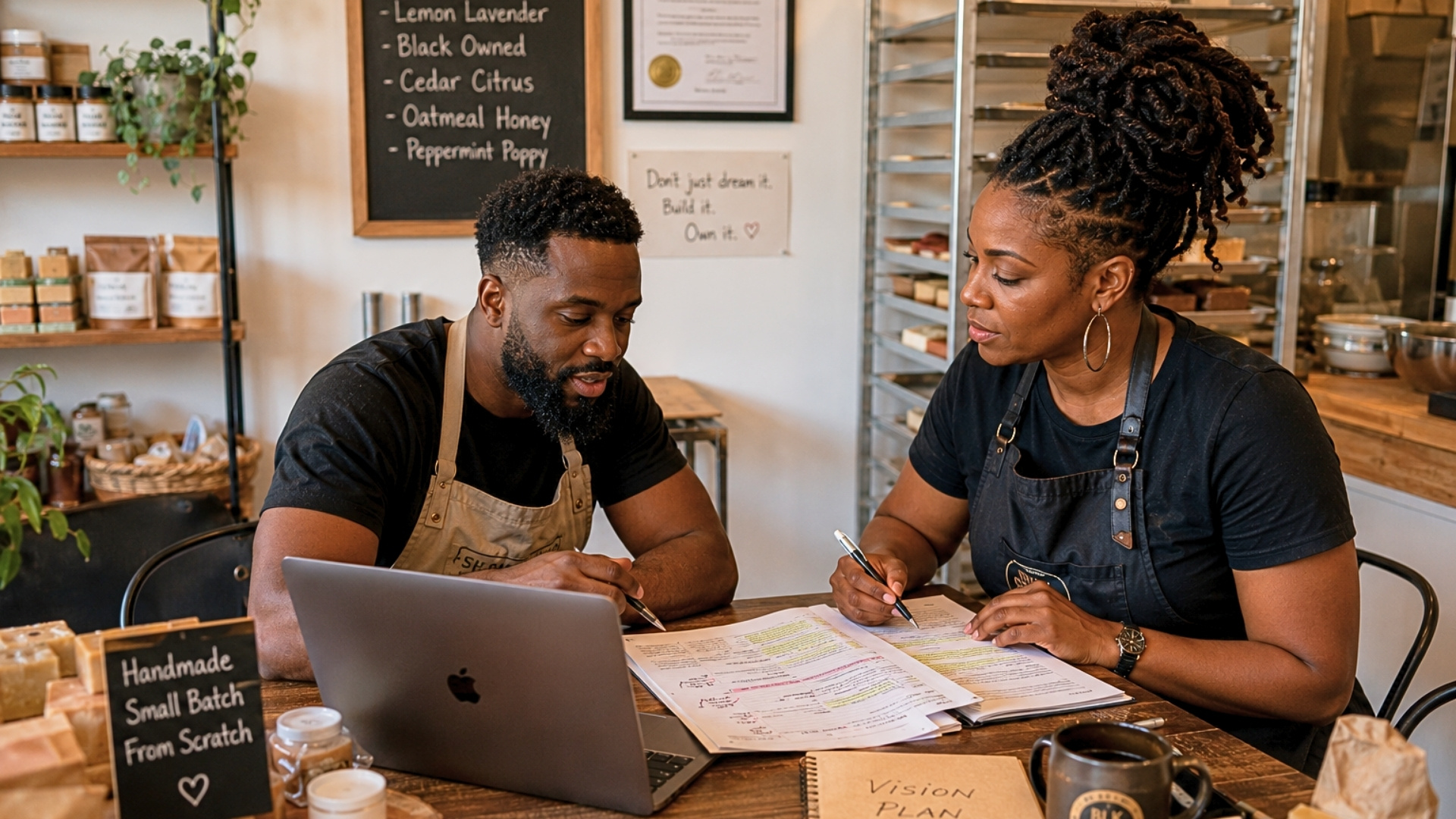
Veterans, creators, growers, healers, and community builders sharing space. A food entrepreneur in the kitchen. A nonprofit founder mapping a grant strategy. A veteran learning farm systems. An Earth Keeper passing down forty years of what works. The campus teaches by the company it keeps.
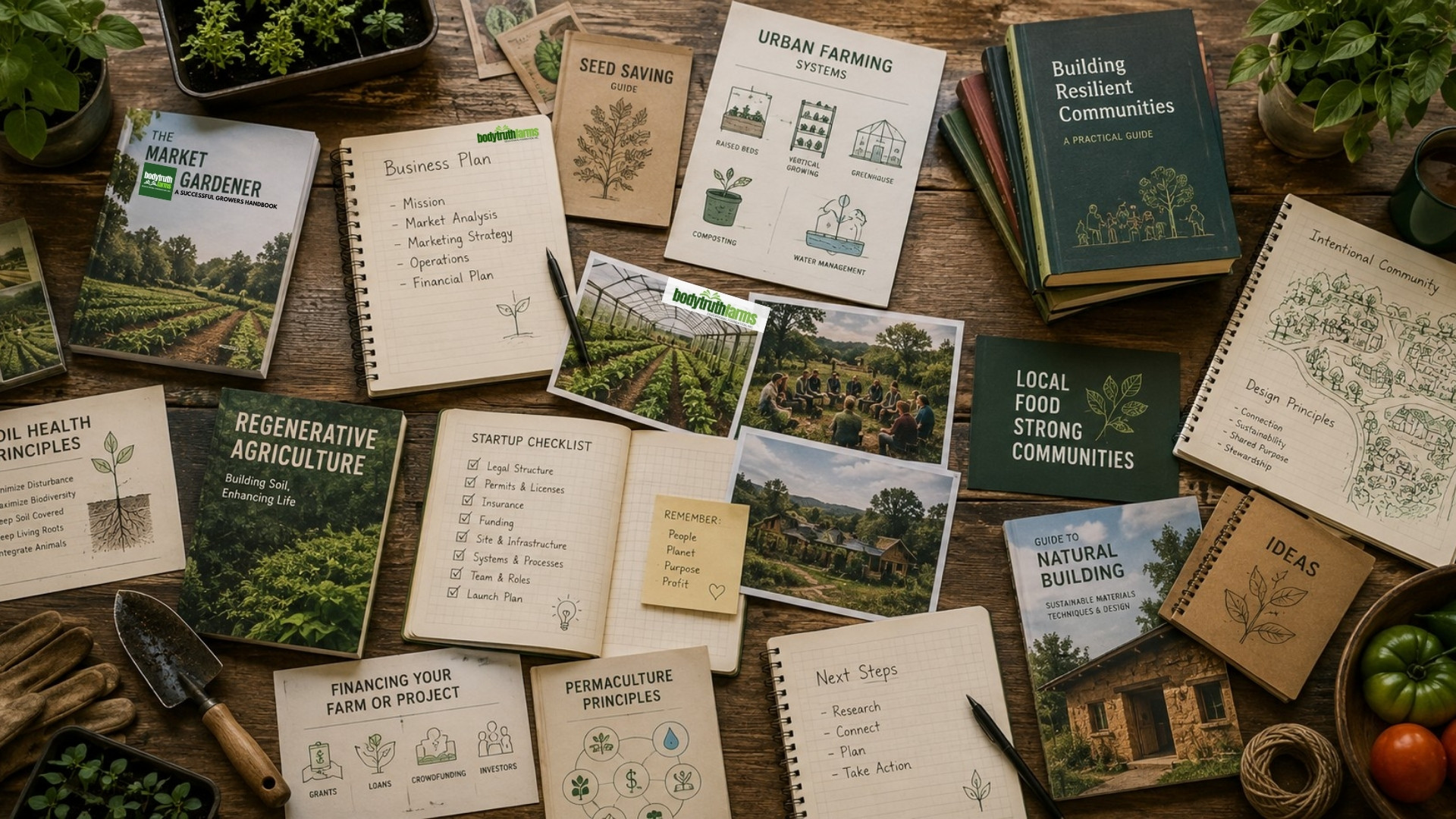
The gardens are curriculum. The machine shop is curriculum. The kitchen is curriculum. The co-working space where a resident entrepreneur fields a business call — that is curriculum too. Learning is visible everywhere, not confined to a room with chairs and a whiteboard.
No one here is simply occupying space. Resident partners contribute expertise. Earth Keepers contribute wisdom. Graduates return as mentors. The ecosystem sustains itself because everyone in it gives as well as receives. That is the culture, built in from the start.
The work became creating environments where people do not have to earn safety, prove their worthiness, or navigate everything alone.
This is what we are building. What it will feel like to arrive.
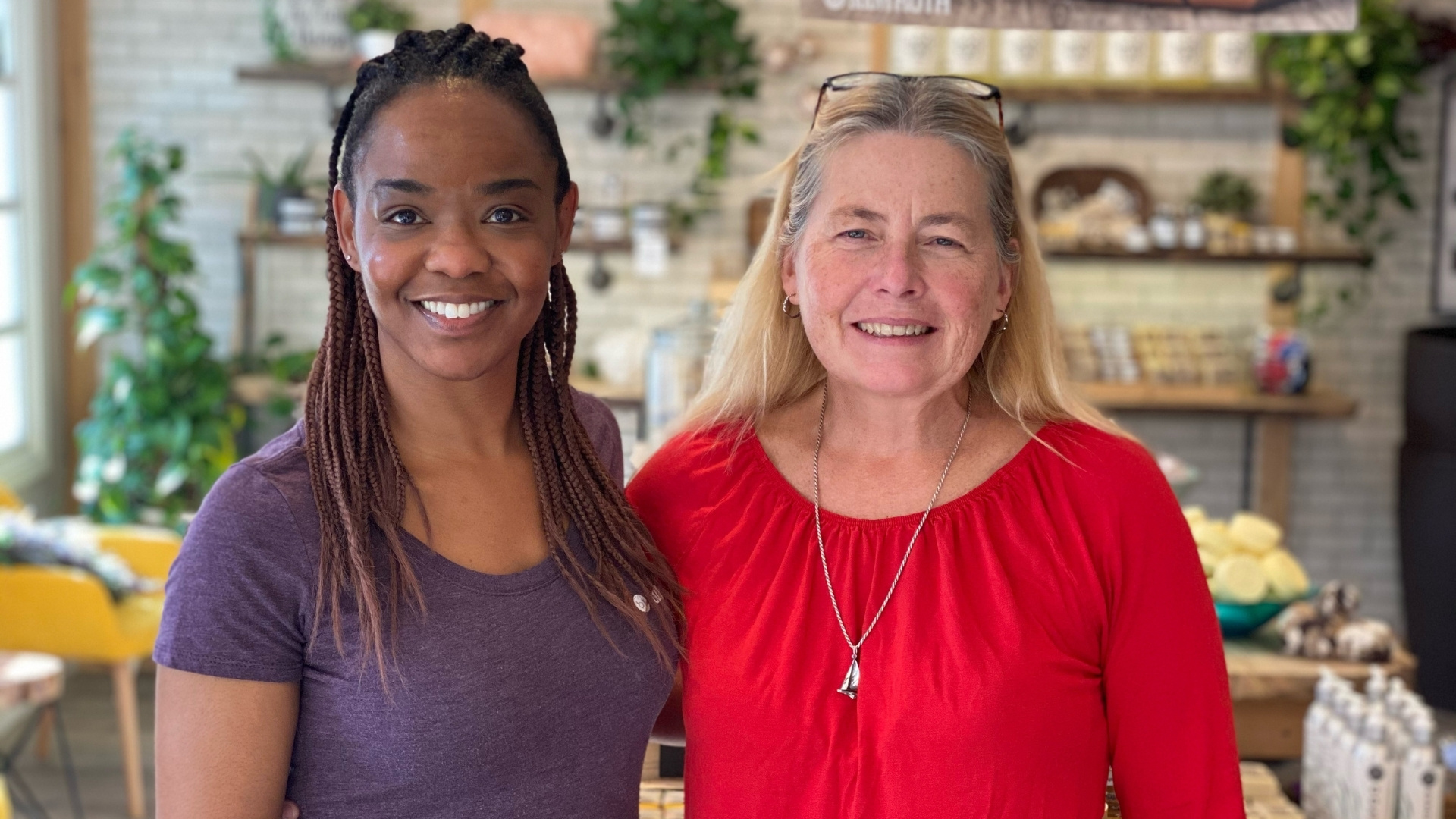
This is not a theory. It has shown up the same way in every environment Stephanie has built — across communities, products, programs, and years.
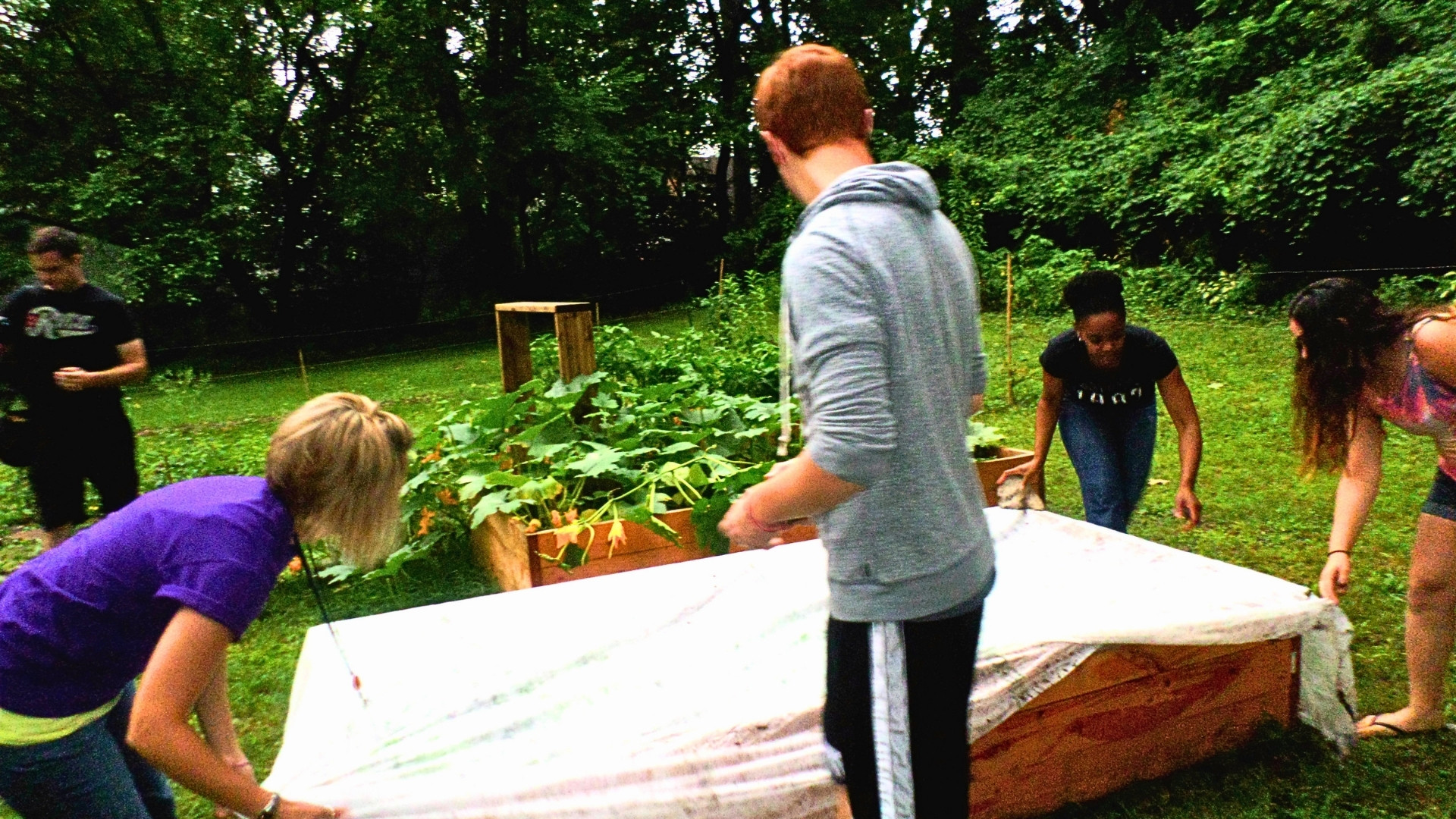
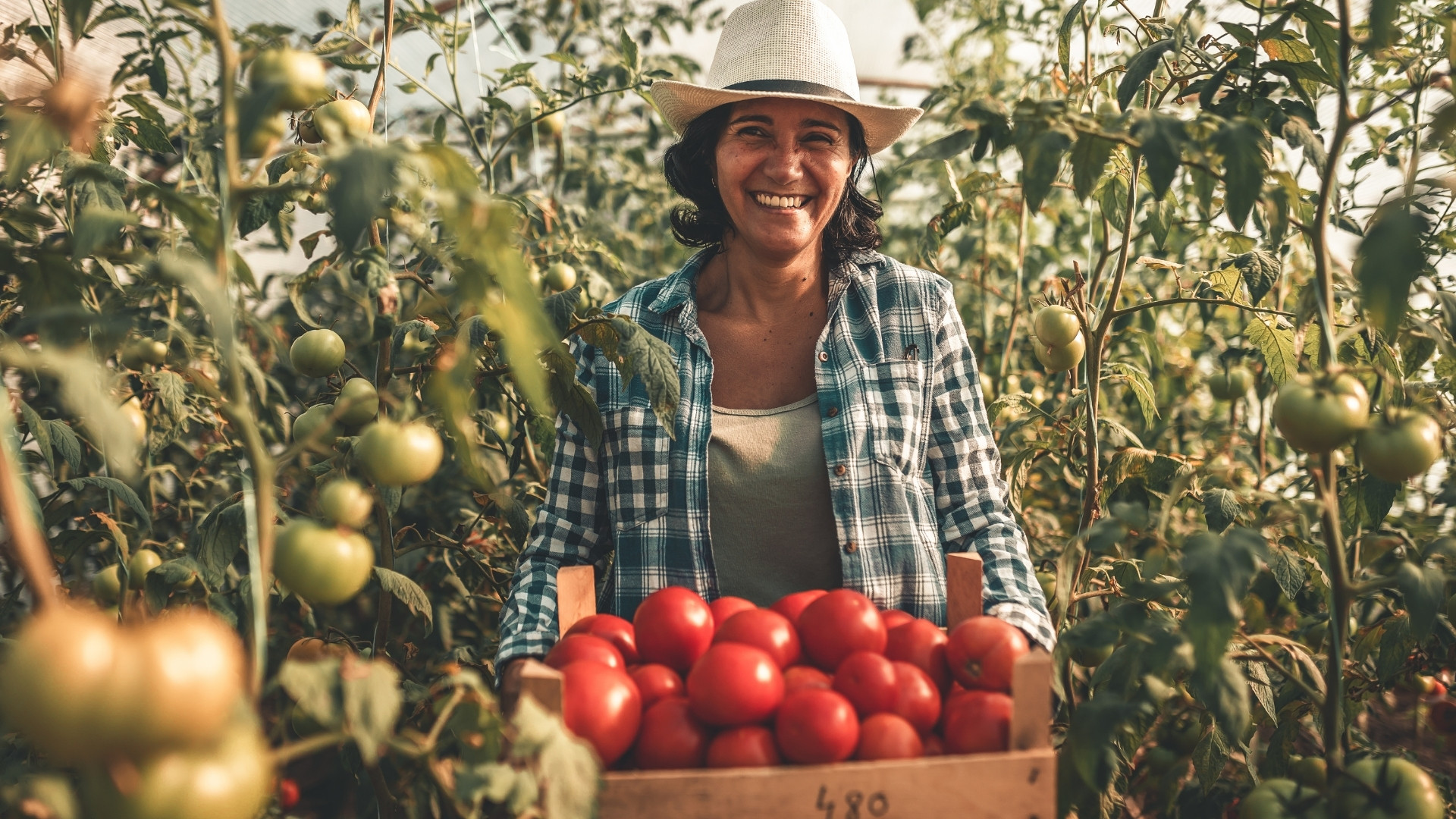
People came to grow food. They kept coming because of what it felt like to tend something together — to have a reason to show up and a place where showing up mattered. The garden was the product. The belonging was the reason.
People came for clean products. They kept coming because the store felt like something — calm, intentional, made with care. They brought people they loved. They came back on hard days. It was not just a shop. It was a space that made people feel something worth feeling.
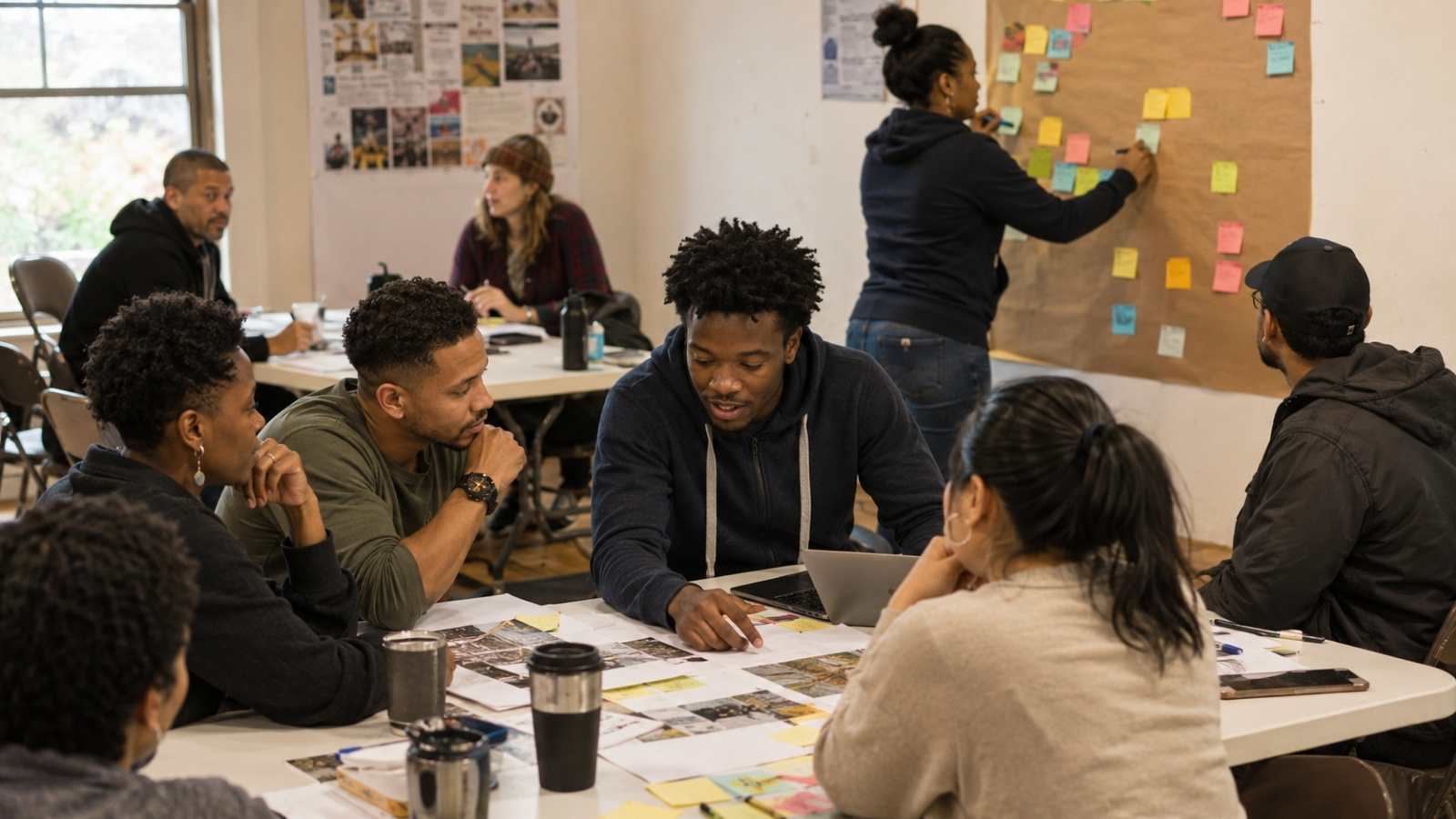
People came to learn skills. They came back because the room felt safe. Because no one was assessed before they were welcomed. Because being seen as capable — before proving it — changed what they believed was possible for them.
People came for products and stayed because the space became a gathering place. A food pantry network grew out of it. A $180,000 COVID-response grant followed. None of that was the plan. All of it was possible because the environment had been built to hold more than transactions.
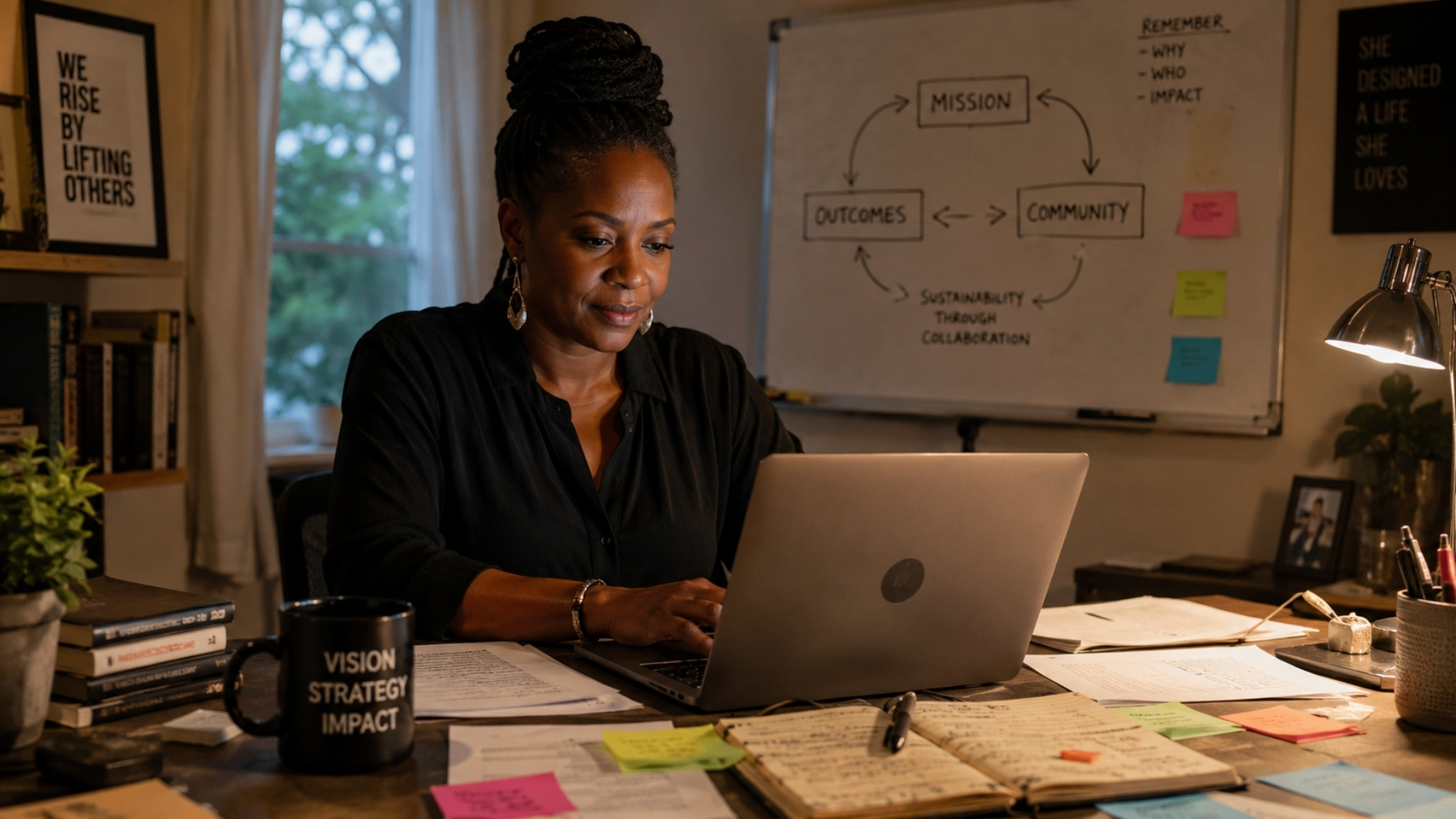
Participants come to build fundable businesses and nonprofits. They return because the methodology sees them as capable of building something institutional before they believe it themselves. The CapScore, the Capital Map, the documented systems — all of it is designed to say: you have more than you think you do.
The same principle showed up everywhere — the garden, the shop, the programs, the workshops, the methodology. The product changes. The underlying purpose does not. People return to environments where they feel seen. The ASC is built to be exactly that — at scale, permanently, and by design.
Bodytruth Family Farms Educational Foundation exists to steward a living learning ecosystem designed to move individuals and emerging enterprises from concept to implementation through education, systems development, mentorship, and applied experience.
Sustainable economic mobility does not happen by providing answers alone. It happens by developing the capacity to think, build, decide, and lead.
Traditional business development models often provide templates and temporary guidance. Participants complete documents but leave without the systems thinking needed to navigate future challenges independently.
We teach participants how to architect enterprises that can function, evolve, and grow beyond the founder's constant presence. Learning is not isolated to a classroom — it happens across an integrated ecosystem where education, demonstration, practice, and stewardship reinforce one another.
Bodytruth Ventures — the farm and the soap apothecary — is not separate from the mission of the Foundation. It is evidence of it.
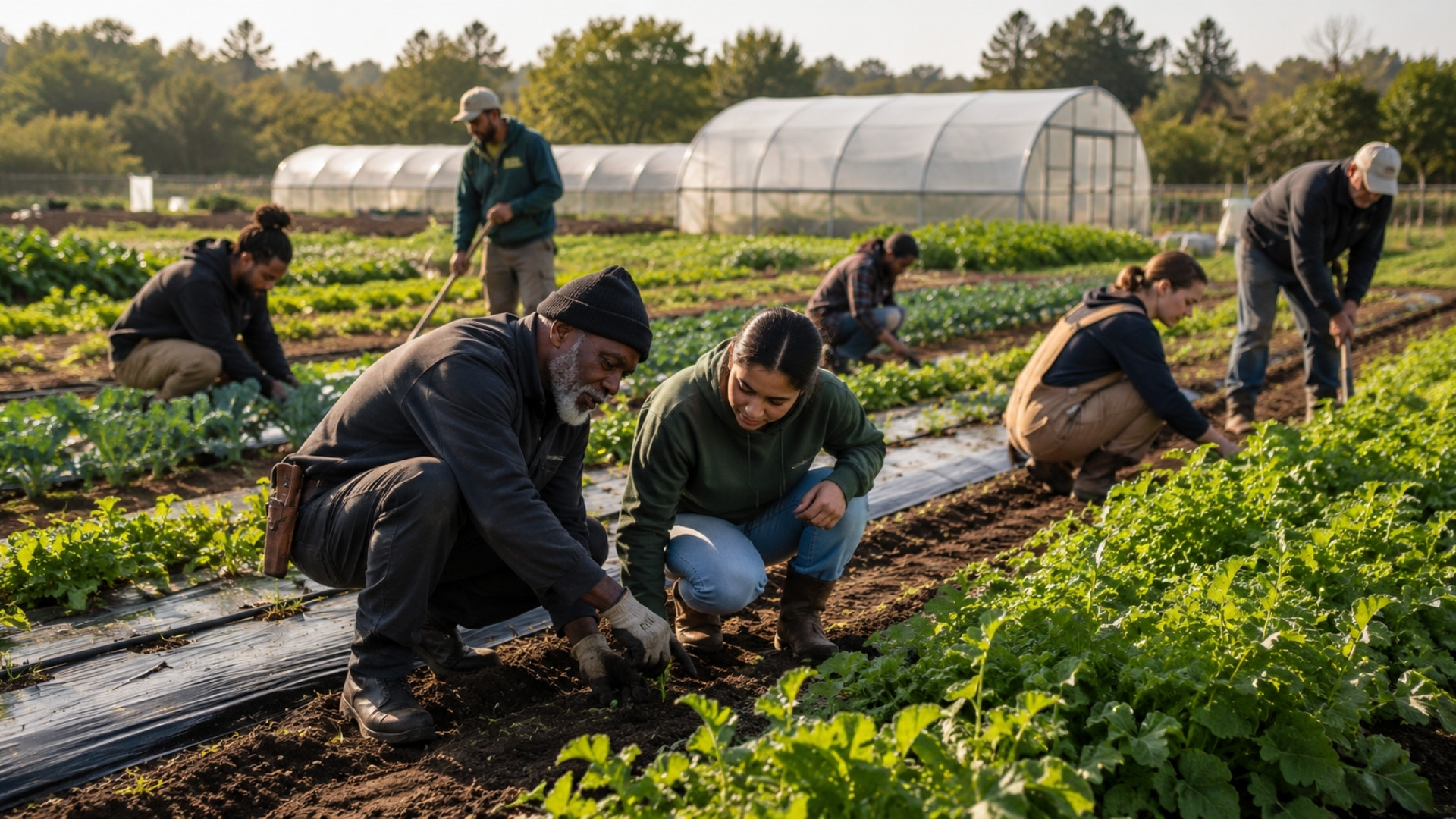
When a participant in the Land Enterprise Bootcamp walks the growing beds and sees a functioning farm enterprise, they are not looking at a case study. They are looking at a system in operation — decisions being made, problems being solved, products moving from soil to shelf.
That visibility matters. The gap between concept and implementation is often less about knowledge and more about the ability to imagine it being real.
Ventures says: Look what becomes possible.
Operates as a tenant on campus. Leases growing beds and lab space from the Foundation. Functions as both an enterprise and a living classroom.
What the investment produces — compounding impact in a self-sustaining environment. The campus serves a community of builders, learners, and stewards across different stages of life. While they arrive for different reasons, they participate in a shared ecosystem designed to build capacity, strengthen community, and expand economic mobility.
She arrived not knowing why she came. Something about the garden made it feel possible to stay. She started in the maker space. Then took the Farm Systems Training. Then launched a small operation on land she had been sitting on for three years and didn't know what to do with. She comes back on Saturdays now to teach.
She applied twice before she came. She was not sure she qualified — not sure she was the kind of person things like this were actually for. She completed the Grant Readiness Bootcamp. Six months later she secured her first grant. Her nonprofit now has three employees and runs programs in two counties.
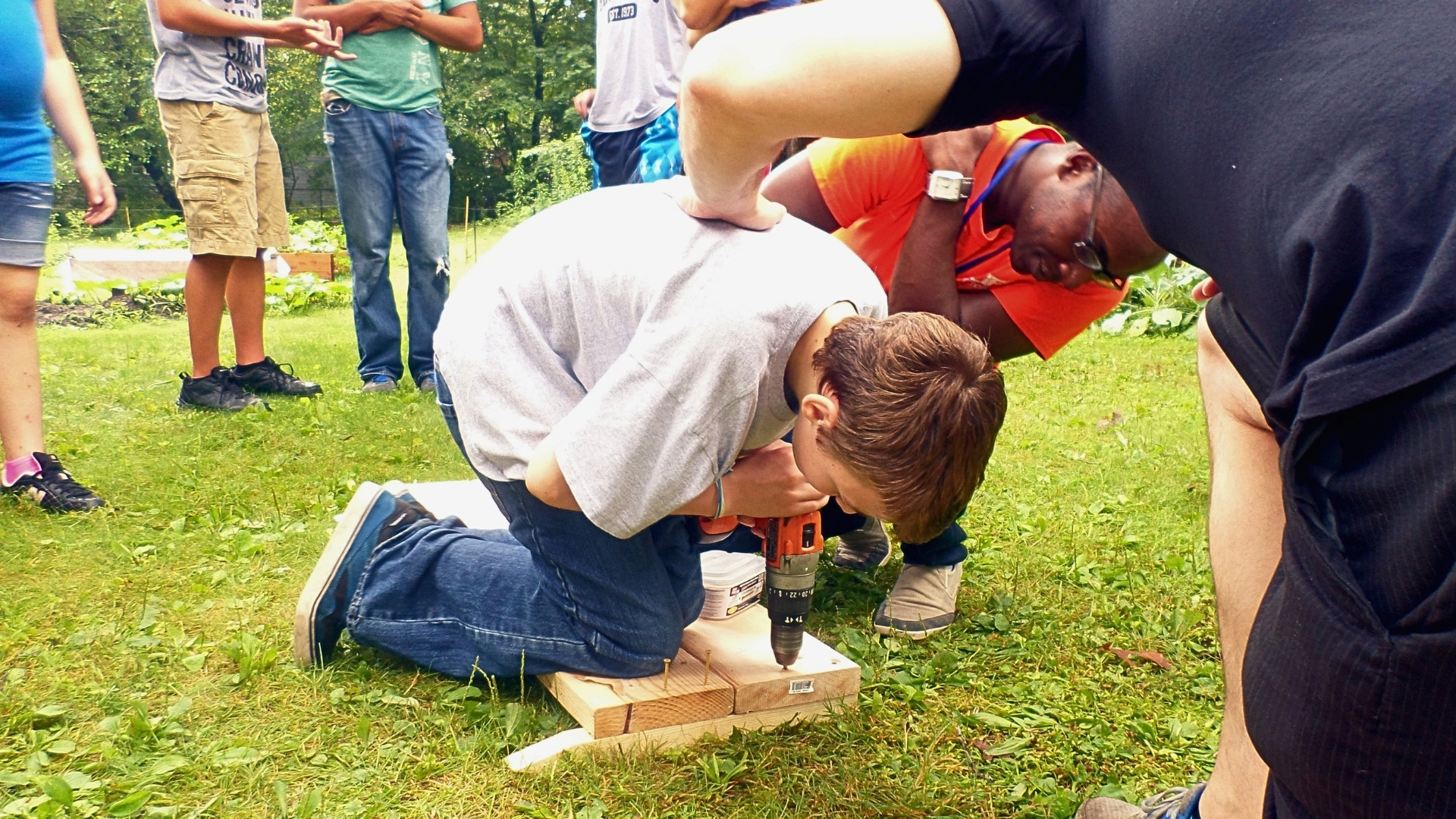
His mother brought him to a workshop when he was eight years old. He helped in the garden for an hour. He told someone at school that he wanted to grow things and sell them when he grew up. He did not know yet that he had already seen it being done — right there, on a Saturday morning, with his hands in the soil.
The harvest does not stay on campus. It moves into homes, into markets, into the hands of people who live close by. Food entrepreneurs who started in the teaching kitchen now sell at regional markets. Earth Keepers who started as volunteers now mentor the next round of growers. The ecosystem circulates.
They came invisible. Not to the world — invisible to themselves. They did not yet know what they were capable of. The campus gave them an environment where they could put down what they had been carrying long enough to remember. Most of them are still building. Some of them are teaching others how.
Another closed school, church, or learning center ready for new life and new work. Another community ready to grow. Another founder who dedicated their building to someone who showed them what humanity feels like. Our model — documented, systematized, and proven — designed for efficient replication.
We are building a center that carries his name while he is here to see the impact he has made on others through our work.
What is needed now is the capital to bring the physical home into being. If you have read this far and something in you has settled — if the vision feels like the solution our communities need and the work feels like home — we would like to hear from you.
Stephanie Willis
Founder & Executive Director · Bodytruth Family Farms Educational Foundation, Inc.
Response within 24 hours.
© 2026 Bodytruth Family Farms Educational Foundation, Inc. · 501(c)(3) Status Pending